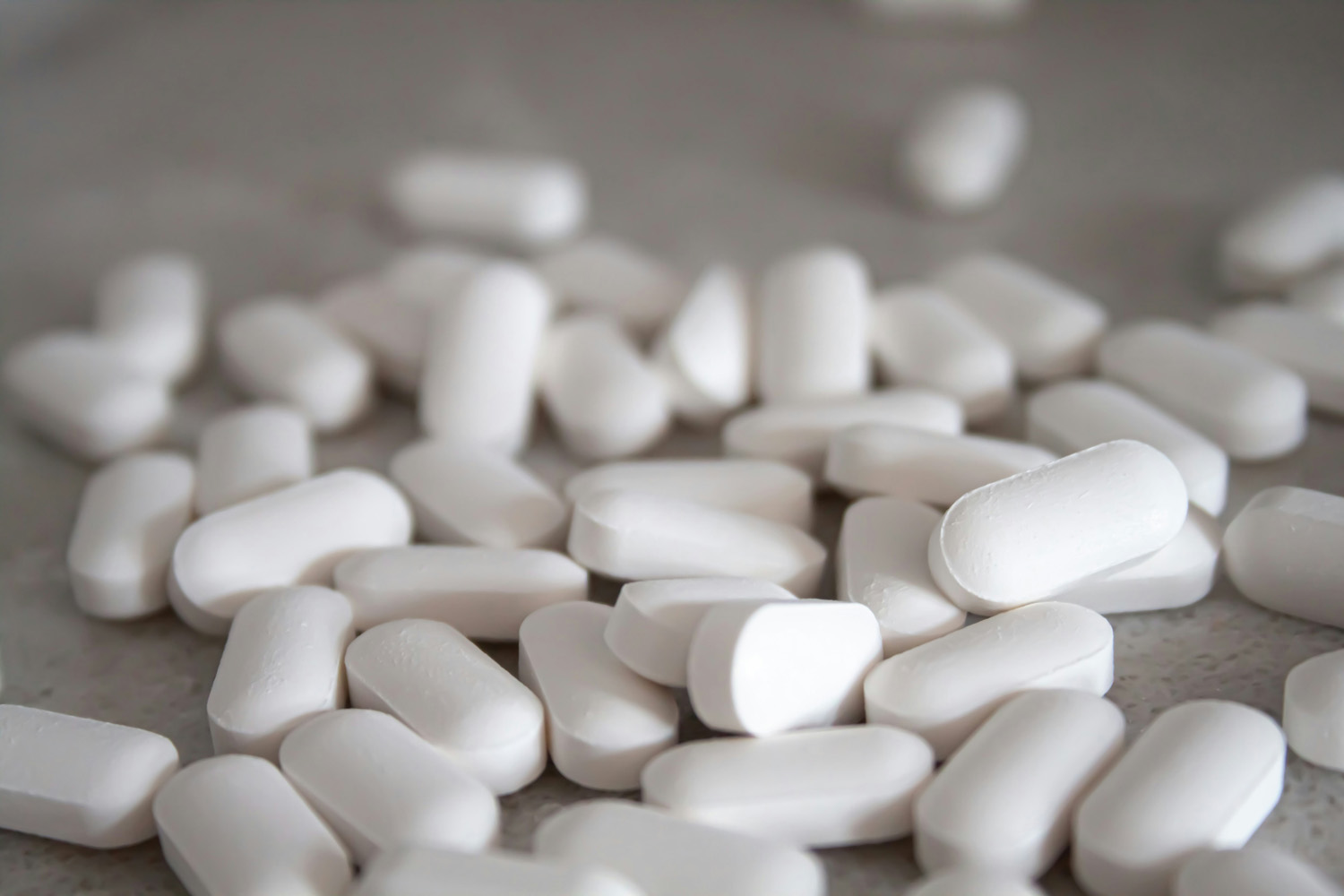
What Are Opioids?
Opioids are a class of drugs that encompasses both prescription pain medicines and illicit drugs.[1] Prescription opioids include common medications such as oxycodone, hydrocodone, morphine, and codeine. Illicit opioids include heroin and illegally manufactured fentanyl, a synthetic opioid that the CDC estimates can be 50 to 100 times stronger than morphine.[2]
Opioids work by attaching to receptors in the brain and body. They relieve pain and create intense feelings of euphoria through the release of dopamine.[3] Eventually, the brain will rely on opioids to feel normal, making it difficult to function without them. According to data from the National Institute on Drug Abuse (NIDA), over 80,000 people died from opioid overdoses in 2022.[4] Fentanyl has been the primary cause of opioid overdose deaths in New Jersey for several years running.[5]
Opioid Addiction and Abuse
Opioid use disorder (OUD) is a chronic, progressive brain disease defined by compulsive use of a substance regardless of the consequences.[6] Developing an OUD is not an indicator of a moral failing or lack of willpower. Many individuals developed their addiction after legitimate use of a prescription, while others started recreationally or transitioned from prescription opioids to heroin or fentanyl due to cost and availability.
Those with personal or family history of substance abuse, co-occurring mental health issues like depression, anxiety, or PTSD, chronic pain, trauma, and early exposure to drugs or alcohol are at a greater risk of developing an OUD.[7]
Signs and Symptoms of Opioid Use and Dependence
Identifying early signs of opioid use can significantly impact an individual’s experience with treatment.[8] For many families, a drastic change in the behavior of a loved one may be the first indication that something has gone wrong. Here are some common behaviors and signs that may suggest someone is abusing opioids:
- Withdrawing from friends and family or from activities they used to enjoy.
- Sudden changes in mood or energy.
- Not taking care of their responsibilities at work, school, or home.
- Being secretive about activities, especially regarding money or whereabouts.
- Continuing to use opioids despite the negative impact they are having on their health, relationships, or employment.
- Having “pinpoint” pupils.
- Slowed breathing or being excessively sedated and nodding off.
- Slurred speech and coordination problems.
- Nausea, vomiting, or losing weight without explanation.
- Having injection sites with track marks or bruises if using intravenously.
If someone is becoming physically dependent on opioids, the following signs may also be evident:
- Needing larger doses to achieve the same effect
- Experiencing withdrawal symptoms when reducing or stopping opioid use.
- Not being able to cut back after multiple attempts, even with good intentions.
- Continuing to use opioids, even if they want to stop.
- Having intense cravings and being unable to experience pleasure without drugs.
If you notice any signs of opioid abuse in yourself or someone you care about, you do not have to tackle this alone.
Withdrawal Symptoms and What to Expect
Quitting opioids is a massive challenge, mostly because the withdrawal process is so brutal. For a healthy adult, the symptoms aren’t usually life-threatening on their own, but they are intensely uncomfortable. That level of physical and mental discomfort is what usually drives them back to using just to make the pain stop.
Common withdrawal symptoms include:
- Muscle aches and cramps
- Restlessness and agitation
- Insomnia and sleep disturbances
- Runny nose, sweating, and chills
- Nausea, vomiting, and diarrhea
- Elevated heart rate and blood pressure
- Intense cravings
The timing of withdrawal symptoms depends on the type of opioid you were using.[9] Heroin or other short-acting drugs start producing symptoms within 8 to 24 hours after the last dose, hitting a peak somewhere between 36 and 72 hours. Long-acting opioids like methadone are different, producing a more prolonged withdrawal that begins later and lasts longer. Because it’s so easy to relapse when you feel this way, most people benefit from a medically supervised detox before starting an outpatient treatment program.
Effective Opioid Addiction Treatment
Effective treatment for opioid addiction consists of medication-assisted treatment (MAT), ongoing supportive recovery services, and behavioral therapy. MAT is recognized as the gold standard of care for treating individuals with opioid use disorder (OUD) and significantly reduces the risk of overdose, improves retention in recovery, and increases positive long-term outcomes.[10]
Meridian Recovery uses best practice methods to improve client outcomes while following evidence-based methods as validated by the Center for Substance Abuse Treatment (CSAT) and the National Institute on Drug Abuse (NIDA).
We also offer dual diagnosis treatment for people who also have a mental health disorder, such as depression, anxiety, PTSD, or bipolar disorder, along with their substance use disorder. Treating one without treating the other often leads to a cycle of relapse, as the untreated symptoms of one condition can trigger or exacerbate the other.[11]