Cocaine addiction can happen more quickly than expected. What starts off as an occasional use in social settings can turn into a dependency that affects one’s health, relationships, job, and self-image. Understanding what addiction looks like and what kind of support is available is very important if you or a loved one is struggling with cocaine use. Meridian Recovery offers evidence-based cocaine addiction treatment in a supportive environment where real recovery is possible.
Cocaine Addiction: Signs, Recovery, and Finding the Right Treatment
Key Takeaways
- Cocaine is a powerful stimulant that rapidly increases dopamine in the brain, producing intense but short-lived euphoria and energy.
- Its addictive potential is high because it floods the brain’s reward system and leads to reduced natural dopamine production over time.
- Signs of cocaine addiction include extreme energy, mood swings, weight loss, risky behavior, cravings, and continued use despite negative consequences.
- The “comedown” after use causes fatigue, depression, anxiety, and strong cravings, which often drive repeated use and binge patterns.
- Treatment focuses primarily on behavioral therapies and addressing underlying mental health conditions, as no FDA-approved medications exist for cocaine addiction.
What Is Cocaine?
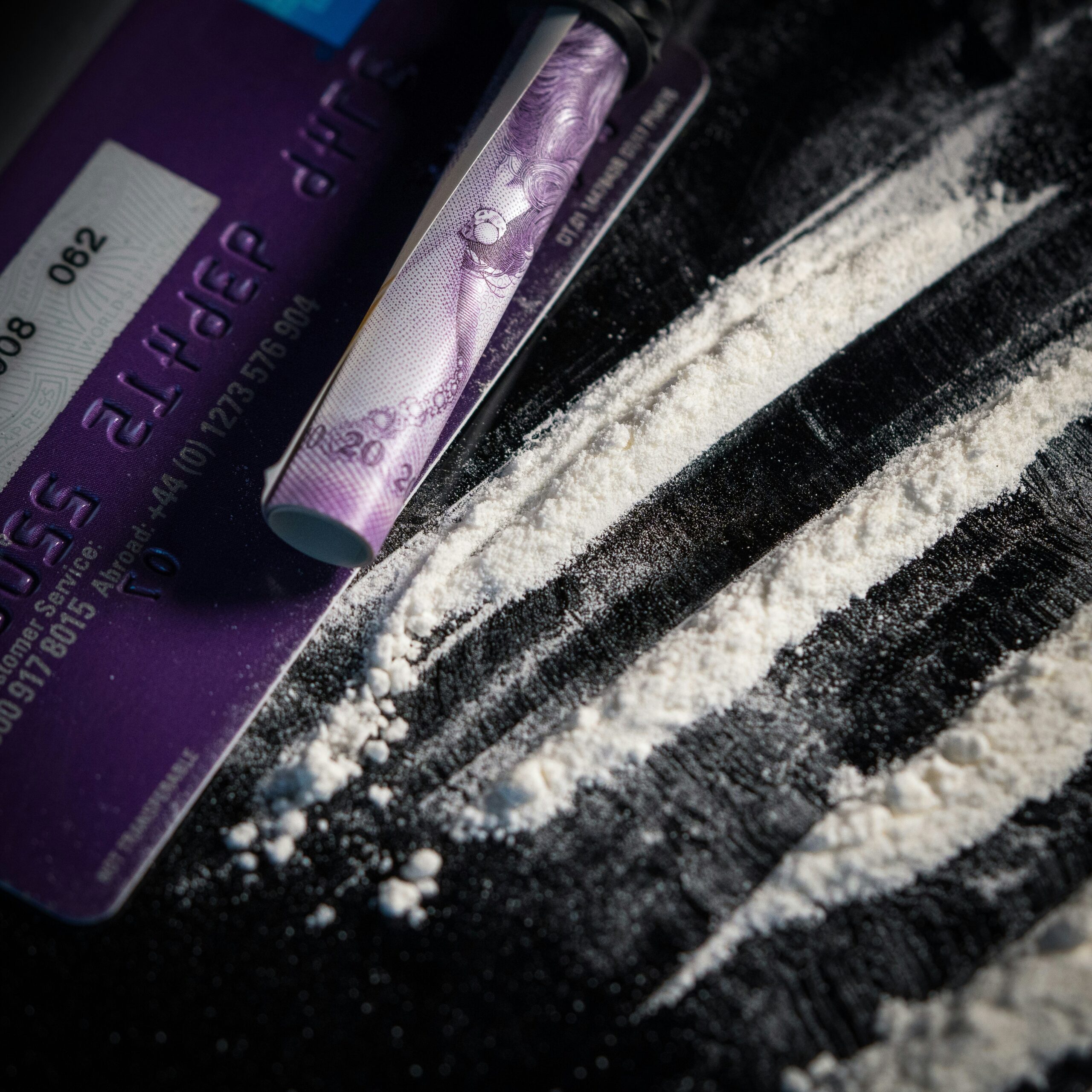
Cocaine is an incredibly powerful stimulant drug that is derived from the coca plant found in South America. Cocaine is classified as a Schedule II controlled substance because of its large potential for abuse and limited accepted medical application.[1] Cocaine can primarily be found as a white powder that is snorted, dissolved and injected, or processed into a solid and smoked as crack cocaine. Regardless of how it is used, it causes a temporary rush of dopamine in the brain, creating a surge of euphoria, energy, and alertness.
According to the Substance Abuse and Mental Health Services Administration (SAMHSA), there were approximately 4.8 million people in the United States who reported using cocaine in 2021.[2] There has also been an increase in overdose deaths associated with cocaine use over the past several years, as illicit cocaine is increasingly combined (or contaminated) with fentanyl.
Cocaine Addiction and Abuse
Cocaine has a massive potential for addiction due to the speed and intensity at which it affects the brain’s dopamine system.[3] The primary action of the drug is to block the reuptake of dopamine, which floods the brain’s reward circuits with far more dopamine than the body produces naturally. The brain learns to crave this intense euphoria very quickly, and because the high only lasts a short period—generally 15 to 30 minutes if snorted—it drives fast and frequent re-use during a single session.
Continued use causes the brain to adapt by decreasing its natural dopamine production and the sensitivity of dopamine receptors. As a result, a person needs to keep using just to feel “normal.” This neurological shift is at the root of cocaine use disorder and is the reason why stopping is so difficult, even when a user truly wants to quit.[4]
Factors like a family history of substance use, co-occurring mental health concerns, early exposure, and your living environment all contribute to the risk of developing an addiction.
Signs of Cocaine Use and Addiction
Signs that an individual is using or has developed an addiction can be very apparent and develop quickly. Common signs include:
- Extreme periods of energy, talking too much, or being emotionally driven
- Eye dilation and increased heart rate
- Not eating and rapid weight loss
- Constant sniffing and bloody noses caused by deteriorating nasal membranes
- Acting erratically, engaging in risky behaviors, or showing impaired judgment
- Extreme mood changes, irritability, or paranoia
- Financial problems or frequent requests for money
- Loss of interest in family relationships or previously enjoyed activities
- Continuing to use despite clear negative consequences
- Having intense cravings when the drug is not available
The Cocaine Comedown
The “cocaine comedown” is one of the most significant clinical features of this addiction. When the effects wear off and dopamine levels drop below the normal baseline, there is a sudden and extreme change in mental state.[5]
This includes:
- Severe fatigue and exhaustion
- Deep depression and emotional numbness
- Intense irritability and anger
- Overwhelming cravings for more cocaine
- Severe anxiety and an inability to sleep
- The inability to feel pleasure from anything (anhedonia)
This comedown is a powerful motivation to keep using because the most immediate relief from this discomfort is more cocaine. This leads to binges that far exceed what the person intended to use. As time goes on, the cycle of use and withdrawal continues to expand.
You Deserve Real Support
Quitting kratom is more difficult than one usually expects. Whether you have been using kratom for a few months or several years, Meridian Recovery can assist you in safely quitting and establishing a continuing recovery plan. Reach out today. Our admissions team can guide you through the process, verify your benefits, and get you started on a life free from kratom addiction.
Cocaine Addiction Treatment at Meridian Recovery
Since there are no FDA-approved medications for cocaine, the basis of treatment is behavioral therapy.[6] Our programs address the psychological patterns of addiction along with the underlying life factors that keep the cycle going.
All treatment for cocaine addiction at Meridian Recovery is done on an outpatient basis. We will give you a full clinical assessment once you arrive for treatment, and if your situation requires a higher level of care, such as detoxification or inpatient treatment, we will refer you to a trusted detox facility in the area. Once you are stabilized, you can begin treatment with us.
Cocaine and Co-Occurring Disorder Treatment
People with cocaine use disorder commonly have co-occurring disorders like bipolar disorder, anxiety, ADHD, or depression.[7] Often, cocaine use starts as a way to self-medicate these conditions.
If the underlying mental health issues are addressed, recovery is much more achievable.[8] Meridian Recovery offers an integrated dual diagnosis program that treats both at once for a clinically sound start toward long-term wellness.
Frequently Asked Questions About Cocaine Addiction
Is there medication treatment for cocaine addiction?
No medications have been approved by the FDA to treat cocaine use disorder. This makes treatment much different from that of opioids or alcohol, where medication-assisted treatment is a major component. While medication might be used to help with symptoms like insomnia or depression, the primary focus remains on behavioral therapies like CBT.
What is the relapse rate for cocaine addiction?
Cocaine has one of the highest chronic relapse rates; around 75% of cocaine users will relapse within the first year.[9] A relapse does not mean the treatment failed; however, it usually indicates that the treatment plan needs to be adjusted. Because relapse risk is highest right after the acute withdrawal phase, long-term aftercare and peer support are critical.
What is the cocaine withdrawal timeline?
Withdrawal begins several hours after the last use. Days one through three are usually the most intense, involving fatigue, depression, and strong cravings.[10] By day seven, the physical symptoms decrease, but emotional highs and lows and sleep problems can last for many weeks. This is known as post-acute withdrawal syndrome (PAWS).
Do people go to treatment for cocaine addiction?
Yes. People who try to recover alone are much less successful than those who complete a structured program. Services like a partial hospitalization program (PHP), intensive outpatient program (IOP), and standard outpatient treatment provide the clinical support and behavioral therapy necessary for a successful long-term recovery. At Meridian Recovery, we create a plan based on your individual needs and life circumstances.
Sources
[1] [3] [4] [5] [6] National Institute on Drug Abuse. (2024, December). Cocaine research report: What is cocaine? https://nida.nih.gov/publications/research-reports/cocaine/what-cocaine
[2] Substance Abuse and Mental Health Services Administration. (2023, January 4). 2021 National Survey on Drug Use and Health (NSDUH) releases. https://www.samhsa.gov/data/sites/default/files/reports/rpt39443/2021NSDUHNNR122322/2021NSDUHNNR122322.htm
[6] National Institute on Drug Abuse. (2025, June). Treatment. https://nida.nih.gov/research-topics/treatment
[7] [8]National Institute on Drug Abuse. (2024). Cocaine use disorder, mental health diagnoses, and serious mental illness characteristics. https://pmc.ncbi.nlm.nih.gov/articles/PMC12826511/
[9] Schwartz, E. K. C., et al. (2022). Cocaine Use Disorder (CUD): A review of the current pharmacological and behavioral treatments. Substance Abuse and Rehabilitation, 13, 23–34. https://pmc.ncbi.nlm.nih.gov/articles/PMC9405750/
[10] National Library of Medicine. (2024, November 15). Cocaine withdrawal. StatPearls [Internet]. https://www.ncbi.nlm.nih.gov/books/NBK430769/