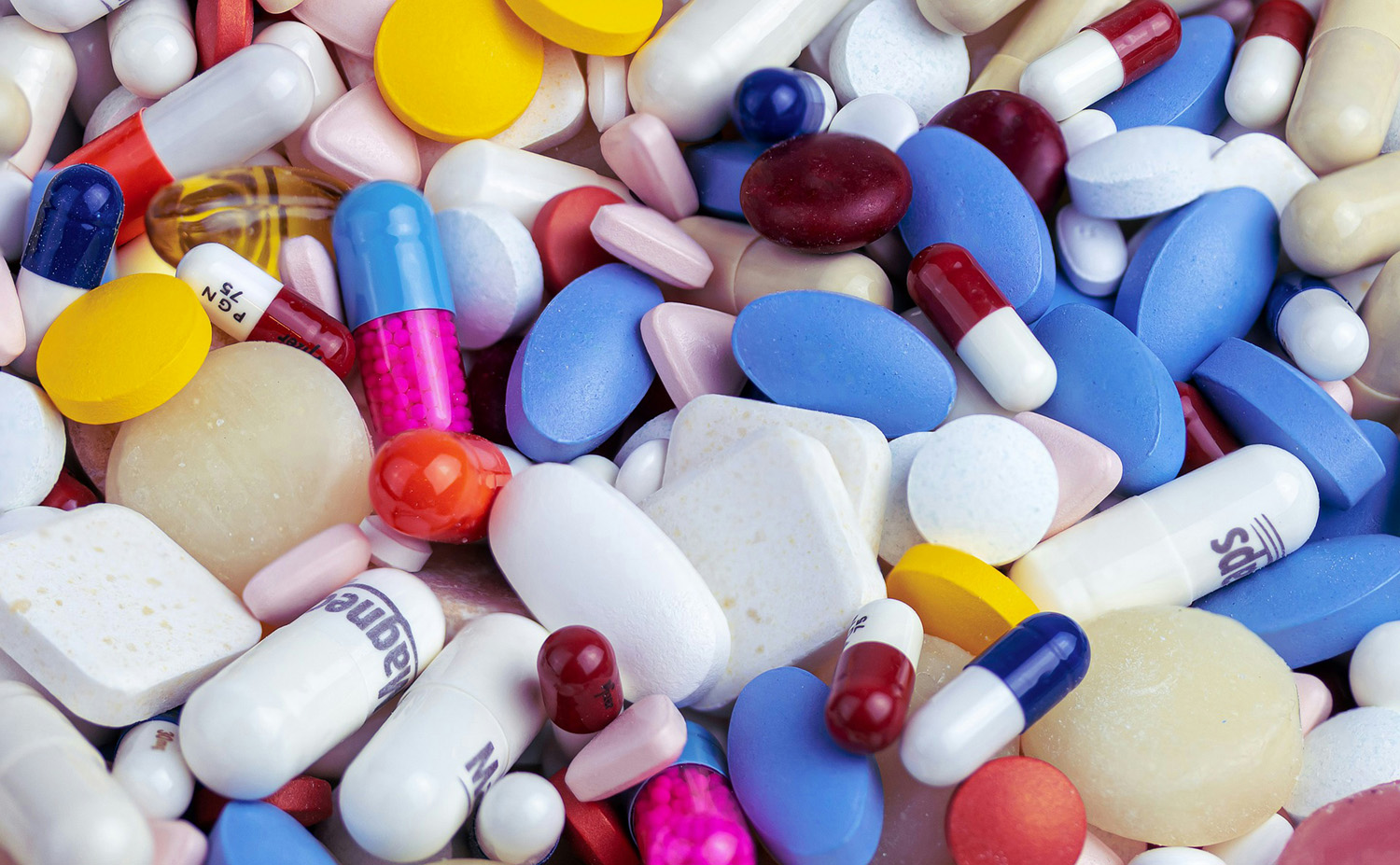
What Are Club Drugs?
The term “club drugs” has a broad definition that refers to groups of psychoactive substances that are most commonly related to nightlife settings like nightclubs, raves, music festivals, and dance parties. The term does not reference a single pharmacological category but rather a group of substances that share a similar social context of use, primarily among young adults and adolescents.[1]
According to the National Institute on Drug Abuse, the most common club drugs include MDMA (ecstasy), GHB (gamma-hydroxybutyric acid), ketamine, Rohypnol (flunitrazepam), and LSD.[2] Each of these drugs acts on the central nervous system differently, and all can result in significant physical and psychological harm, especially when taken at high doses, used in combination with alcohol or other drugs, or with repeated use.[3]
Common Club Drugs and Their Effects
Learning what each club drug does and its harmful effects is essential to recognizing when a person has a problem.[4] Below is some crucial information about the most common club drugs found today:
- MDMA (Ecstasy, Molly, XTC, Adam, Clarity): MDMA, or 4-methylenedioxymethamphetamine, is an entactogen and stimulant that floods the brain with serotonin, dopamine, and norepinephrine simultaneously. The effects of MDMA include intense euphoria, emotional openness, increased sensory experience, and increased energy levels. At higher doses, or with chronic use, MDMA can result in hyperthermia, elevated blood pressure, seizures, or serotonin syndrome (a potentially fatal reaction). Chronic use depletes serotonin and can result in long-term mood disorders, anxiety, and cognitive deficits.
- GHB (Gamma-Hydroxybutyrate, Liquid Ecstasy, Liquid X, Georgia Home Boy): GHB is a CNS depressant with an extremely narrow window between producing euphoria, causing sedation or unconsciousness, and respiratory depression (slowed or shallow breathing). It is colorless and almost tasteless, contributing to its use as a date rape drug. Regular use can result in physical dependence, and withdrawal from it can be life-threatening and resemble withdrawal from alcohol or benzodiazepines.
- Ketamine (Special K, Vitamin K, Cat Valium): Ketamine is a dissociative anesthetic that can be used medically and is frequently abused. Low doses of ketamine will alter a person’s perceptions and cause mild dissociation, while high doses will cause the person to enter a state completely detached from reality, known as a “k-hole.” Chronic use has been associated with severe bladder damage, cognitive impairment, and psychological dependence.
- Rohypnol (Flunitrazepam, Roofies, Forget-Me Pill): Rohypnol is a potent benzodiazepine that is not legally manufactured and sold in the United States, but that is regularly used as a club and date rape drug due to its potent sedative effects and ability to cause anterograde amnesia, meaning someone cannot form new memories while under the influence. Similar to other benzodiazepines, Rohypnol produces physical dependence and, because of this, withdrawal is potentially dangerous and comes with serious risks.
- LSD (Acid): LSD is a hallucinogenic substance that produces perceived changes to aspects of thought, perception, and mood. While there is not typically a physical dependence associated with LSD, its use can induce anxiety, paranoia, or psychosis, and it can precipitate lasting psychiatric disorders in vulnerable people.
Signs of Club Drug Abuse and Addiction
It can be tough to tell when club drugs have transitioned from casual use to addiction, since many people use them socially or regularly within the same group of friends. However, there are some general signs to watch for:
- Club drug use is becoming more frequent
- A person continues to use club drugs, in spite of negative physical, psychological, and relationship consequences
- Developing a tolerance and having to increase how much of the drug they consume in order to get the same effect
- Cravings or withdrawal symptoms when not using
- Placing the use of club drugs before job, relationships, or well-being
- Consumes club drugs along with other drugs or alcohol
- Engages in dangerous behavior while under the influence of club drugs
Risks and Dangers of Club Drug Use
Many users do not see the serious danger of club drugs because they use them infrequently or like a “party” or “fun” drug. However, club drugs can pose serious risks or dangers, particularly if a person mixes them with another substance.[5]
Common risks include:
- Overdose: GHB and Rohypnol have narrow windows between dosing and being dangerous. This means that taking a club drug mixed with alcohol is dangerous, as the combined effects can lead to an overdose.
- Hyperthermia: Using MDMA can raise a person’s body temperature to critical levels, especially if the body temperature is already raised in hot or crowded environments, such as dance parties.
- Sexual Assault: Both GHB and Rohypnol are used as “date rape” drugs because they both have sedative or hypnotic effects, and they both cause amnesia. Losing consciousness leads to an inability to give consent.
- Mental Health Impairments: Regular club drug consumption or use of MDMA and ketamine both produce similar patterns of mental health issues like psychotic disorders, anxiety, and depression.
- Polydrug Use: Club drug users often combine club drugs with alcohol and other club drugs, increasing the potential for adverse outcomes and overdose.
Club Drug Addiction Treatment at Meridian Recovery
In order to effectively treat club drug addiction, it is necessary to identify the specific club drugs being abused and how the person is abusing those drugs. Meridian Recovery develops individualized treatment plans utilizing evidence-based therapy.
Many users of club drugs have an existing mental health condition such as anxiety, depression, or post-traumatic stress disorder (PTSD).[6]
It is important to treat both the substance use disorder as well as any co-occurring mental health disorder, as treating only one without the other does not usually lead to sustained recovery.