What Is Kratom?
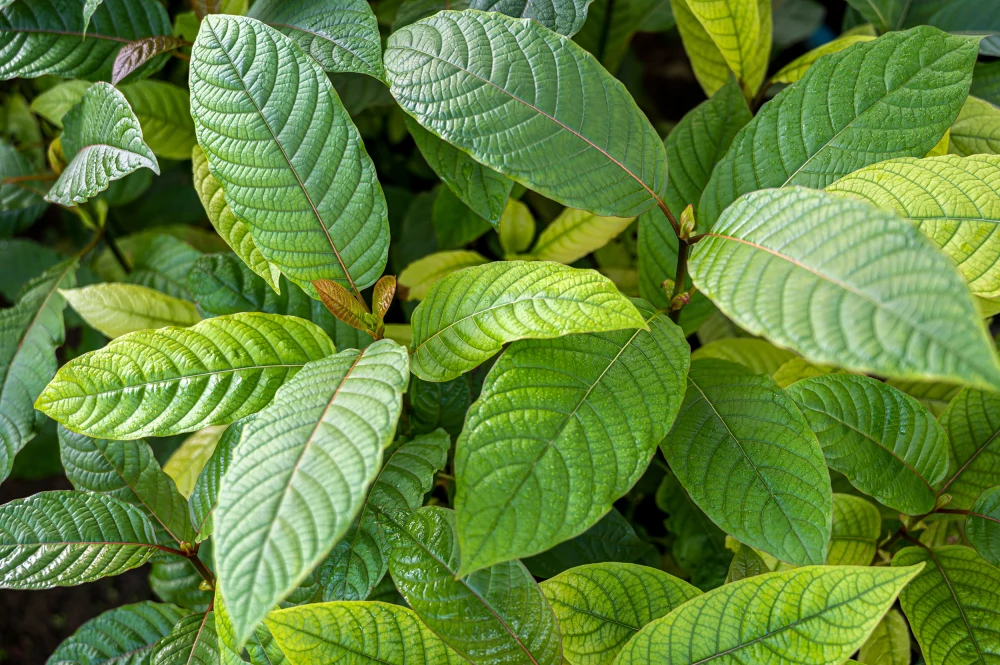
Kratom (Mitragyna speciosa) is a tropical tree native to Southeast Asia whose leaves have been used for centuries as a stimulant and pain reliever.[1] In the U.S., kratom is sold as an over-the-counter product in powder, capsule, and liquid form. Some people use kratom as a dietary supplement to increase energy, improve mood, manage chronic pain, and even self-treat opioid withdrawal. However, the U.S. Food and Drug Administration (FDA) has not approved kratom for any medical use and has issued warnings about its safety, noting that kratom is likely to be habit-forming and carries a risk of dependence as well as serious adverse effects on health.[2]
Kratom contains two major active compounds: mitragynine and 7-hydroxymitragynine. Both of these compounds bind to the brain’s opioid receptors.[3] When kratom is consumed at lower doses, it creates stimulant-like effects. When larger amounts of kratom are consumed, there are sedative, euphoric, and pain-relieving properties similar to prescription opioids. The fact that kratom can produce both stimulant effects and opiate effects is critical to understanding how kratom leads to dependence and why quitting can be more difficult than a user expects.
Kratom Addiction and Abuse
Kratom dependence can be difficult to recognize. The reason for this is that kratom is sold legally and often advertised as a safe or natural alternative to prescription medications. Since most users are taking it to self-manage health problems like chronic pain or anxiety, many do not recognize their use as problematic until they want to stop and find that they can’t.[4]
Frequent use (especially at higher doses or several times a day) will produce changes in the brain consistent with opioid addiction. The brain opioid receptors become conditioned to the presence of mitragynine and 7-hydroxymitragynine and begin to reduce natural endorphin production. This makes it harder for the person to function normally without the drug.[5] Tolerance soon develops, and users start requiring higher amounts to achieve the same effects. When kratom use stops, the user then must contend with withdrawal symptoms. Because of their increased tolerance and to avoid these withdrawal symptoms, use usually escalates.
Risk factors for forming a kratom addiction include:
- Using it to manage pain, anxiety, or opioid withdrawal
- Family history of substance use
- Excessive use (using it daily or multiple times a day over an extended period of time)
Is Kratom Regulated?
Kratom is in a relatively complicated legal and regulatory setting in the United States. The FDA has not approved kratom for use as a dietary supplement or for any other medical condition. In the last few years, they have also taken enforcement action against companies that have advertised health-related claims about kratom products. The DEA has classified kratom as a drug of concern.[6]
Kratom is currently legal at the federal level, but may be restricted or illegal in several states. At present, kratom is legal for all adults in New Jersey; however, it is not regulated for purity or dosing. This means kratom products available to consumers in New Jersey can vary significantly in potency and may even contain impurities.[7] As a result of this lack of regulation, kratom use is unpredictable and potentially more dangerous than users anticipate.
Signs of Kratom Use and Dependence
The quickest way to get help is often to identify the signs of kratom addiction or dependence. Common signs can include:
- Using kratom multiple times each day to manage normal activities or to avoid withdrawal.
- Developing a need for higher doses over time to achieve the same results.
- Continuing to use kratom despite its negative effects on your mood, health, or relationships.
- Spending a large amount of time acquiring, using, or recovering from kratom use.
- Experiencing intense urges to use kratom if it isn’t available.
- Experiencing mood swings, irritability, and anxiety between doses.
- Experiencing withdrawal symptoms if you miss a dose, including muscle aches, runny nose, and nausea.
- Having made multiple unsuccessful attempts to quit on your own.
- Using kratom to manage withdrawal symptoms from opioids or other drugs.
Kratom Withdrawal: What to Expect
The symptoms associated with kratom withdrawal are very similar to opioid withdrawal because kratom works on the same receptors in the brain. Symptoms typically begin within 12-24 hours following the last dose and will last for one to two weeks in the acute phase.[8] In some people, the psychological symptoms are prolonged and may last for weeks or months.
Physical symptoms associated with kratom withdrawal may include:
- Muscle aches and pains
- Irritability, agitation, and anxiety
- Sleeping difficulties or disturbances
- Nausea, vomiting, and diarrhea
- Sweating and hot flashes
- Runny nose and watery eyes
- Intense cravings
- Depression or low mood
- Cognitive difficulties, such as being unable to focus
Kratom withdrawal is not typically life-threatening, but it can be uncomfortable and psychologically draining. This is why quitting kratom cold turkey has such a high failure rate.[9] Medical professionals and a tapering plan to slowly decrease the dosage over time have been clinically proven to improve success.
Kratom Treatment at Meridian Recovery
Effective kratom addiction treatment addresses both the physical dependence and the psychological aspects of addiction. This includes looking at underlying mental health issues, chronic pain, or a history of substance use that drove the initial use.
At Meridian Recovery, our approach is evidence-based, individualized, and delivered with the compassion that recovery deserves.
Many who seek treatment for kratom have co-occurring issues like depression or anxiety, and the drug may have been used to self-manage their symptoms.[10] This means co-occurring mental health conditions are common among people seeking kratom addiction treatment. Meridian Recovery provides a dual diagnosis program offering integrated treatment for both addiction and mental illness, ensuring that the underlying issues driving kratom use are addressed alongside the addiction itself.