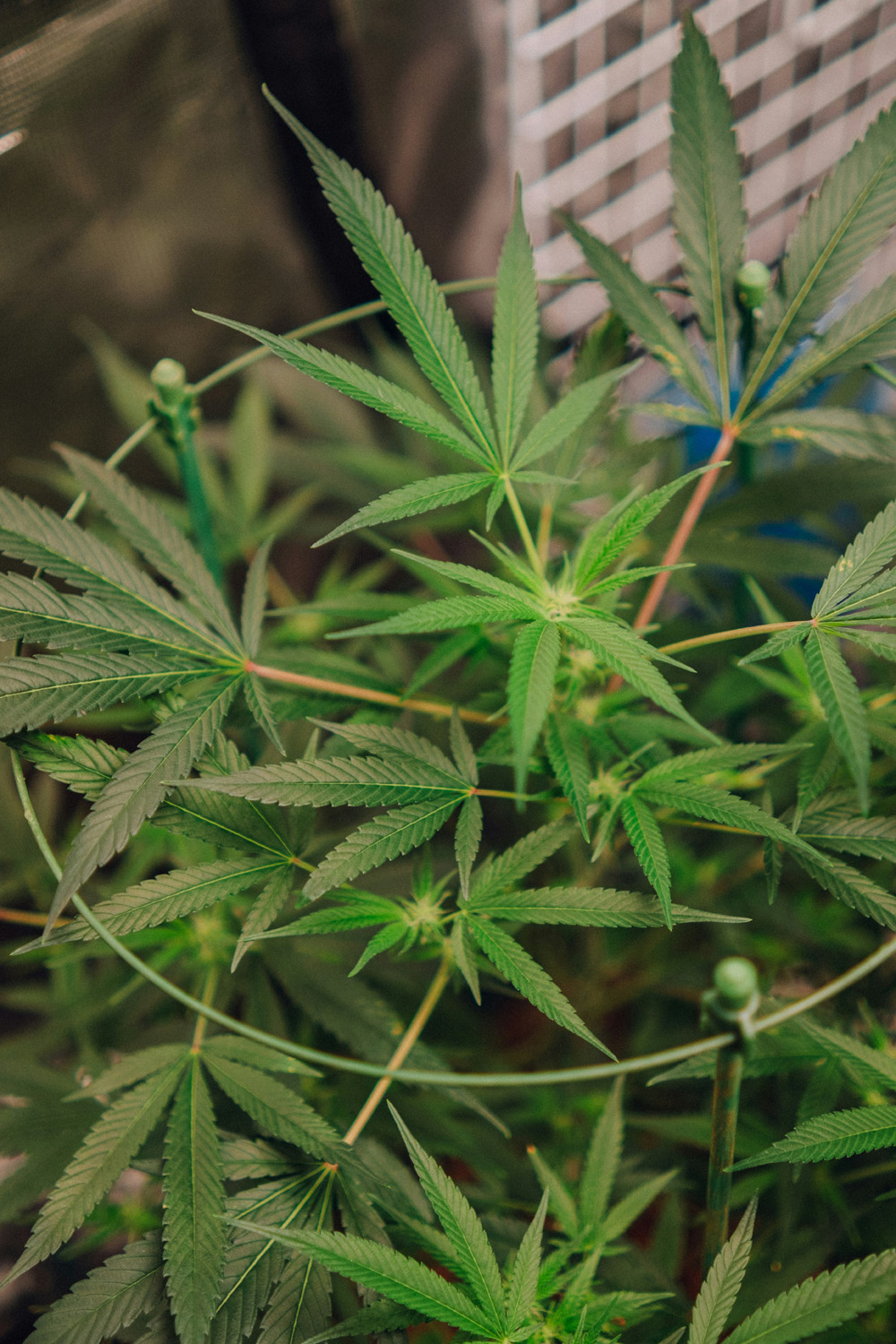
What Is Marijuana?
Marijuana refers to the dried flowers, leaves, and extracts from the Cannabis sativa plant, which contains the active ingredient THC (tetrahydrocannabinol) as its main psychoactive compound.[2]
Marijuana is smoked, vaped, eaten in edibles, or used in concentrated forms. In New Jersey, recreational cannabis became legal in 2021, and is known for having many different effects on the person who has consumed it based on its method of administration, the amount consumed, and personal differences.[3] Effects can range from relaxation and altered perception of senses to anxiety and paranoia.[4]
The last two decades have seen cannabis products with significantly higher levels of THC in them. Current products available today, including certain vape pens and concentrates, are much more potent than products available ten years ago. There is a direct and fairly strong correlation between the potency of these products and the increasing prevalence of cannabis use disorder.[5]
Marijuana Addiction and Abuse
Marijuana use disorder occurs when the brain’s endocannabinoid system adapts to regular THC use. Repeated use causes the brain to reduce its natural endocannabinoid production and start becoming reliant on external THC to stay in balance, resulting in tolerance and uncomfortable withdrawal symptoms when marijuana use stops.[6]
Not all marijuana users will develop a cannabis use disorder, but the risks increase significantly for those who use marijuana frequently, use high-potency products, start at a younger age, or have a mental health condition. People who use marijuana daily or in large amounts and those using concentrated forms of cannabis such as wax, shatters, or vape cartridges have the greatest probability of developing a cannabis use disorder.[7]
Signs of Marijuana Use Disorder
Because cannabis use has become widely accepted socially and is legal in New Jersey, it can be difficult to determine when someone has crossed over from casual use to addiction. Some signs that a user has a marijuana addiction include:
- Usage more than intended.
- Unsuccessful attempts to quit or cut down.
- Excessive time spent getting, using, and recovering from cannabis.
- Continued use despite worsening mood, motivation, relationships, and performance at work or school
- Giving up activities previously enjoyed in exchange for acquiring, using, and recovering from cannabis.
- Relying on marijuana to relax, sleep, or control anxiety.
- Experiencing withdrawal symptoms after stopping cannabis use.
- Continued use despite a worsening of mental health symptoms, such as anxiety or paranoia
Marijuana Withdrawal and Detox
Cannabis withdrawal has been classified as a disorder in the DSM-5, meaning that there is significant recognition that cannabis withdrawal is both quite common and more uncomfortable than many people would think.[8] Withdrawal symptoms may begin as soon as 24 hours but usually within 72 hours after cessation of use, and may last between one and 2 weeks.[9] Some of the most commonly reported withdrawal symptoms for cannabis include:
- Anger, irritability, and mood swings
- Anxiety and restlessness
- Sleep disturbances and vivid dreams
- Reduced appetite and nausea
- Headaches
- Intense cravings
While cannabis withdrawal may not be medically dangerous, there may be times when the discomfort, especially sleep difficulties, irritability, and anxiety, creates a motive to relapse during the early days of recovery. Recovery and treatment programs can support clients through this withdrawal phase with a range of clinical supports, coping skills, and, when appropriate, referrals to inpatient medical treatment centers that can assist with detoxification.
Marijuana Addiction Treatment at Meridian Recovery
In order to successfully treat marijuana addiction, both the behavioral habits of the client and any underlying mental health issues must be addressed through an evidence-based, individualized program developed by staff who are trained to understand the complexity of the disorder. Meridian Recovery in New Jersey provides several treatment programs for cannabis use disorder within our partial hospitalization program (PHP), intensive outpatient program (IOP), and outpatient services.
There are no FDA-approved medications specifically for marijuana use disorder, making behavioral therapy the cornerstone of treatment.[10]
Marijuana and Co-Occurring Disorder Treatment
Mental health disorders such as anxiety, depression, and psychosis are the most common co-occurring disorders in people seeking treatment for cannabis addiction.[11] A large number of people use cannabis to manage other mental health symptoms without realizing that heavy cannabis use often exacerbates those mental health symptoms over time.
Meridian Recovery has a unique dual diagnosis program that provides integrated treatment to address both cannabis use disorder and the co-occurring mental health disorder that may be at the root of the issue. The underlying principle of the dual diagnosis approach is that to achieve sustained recovery, both cannabis use disorder and the co-occurring mental health disorder need to be addressed simultaneously.