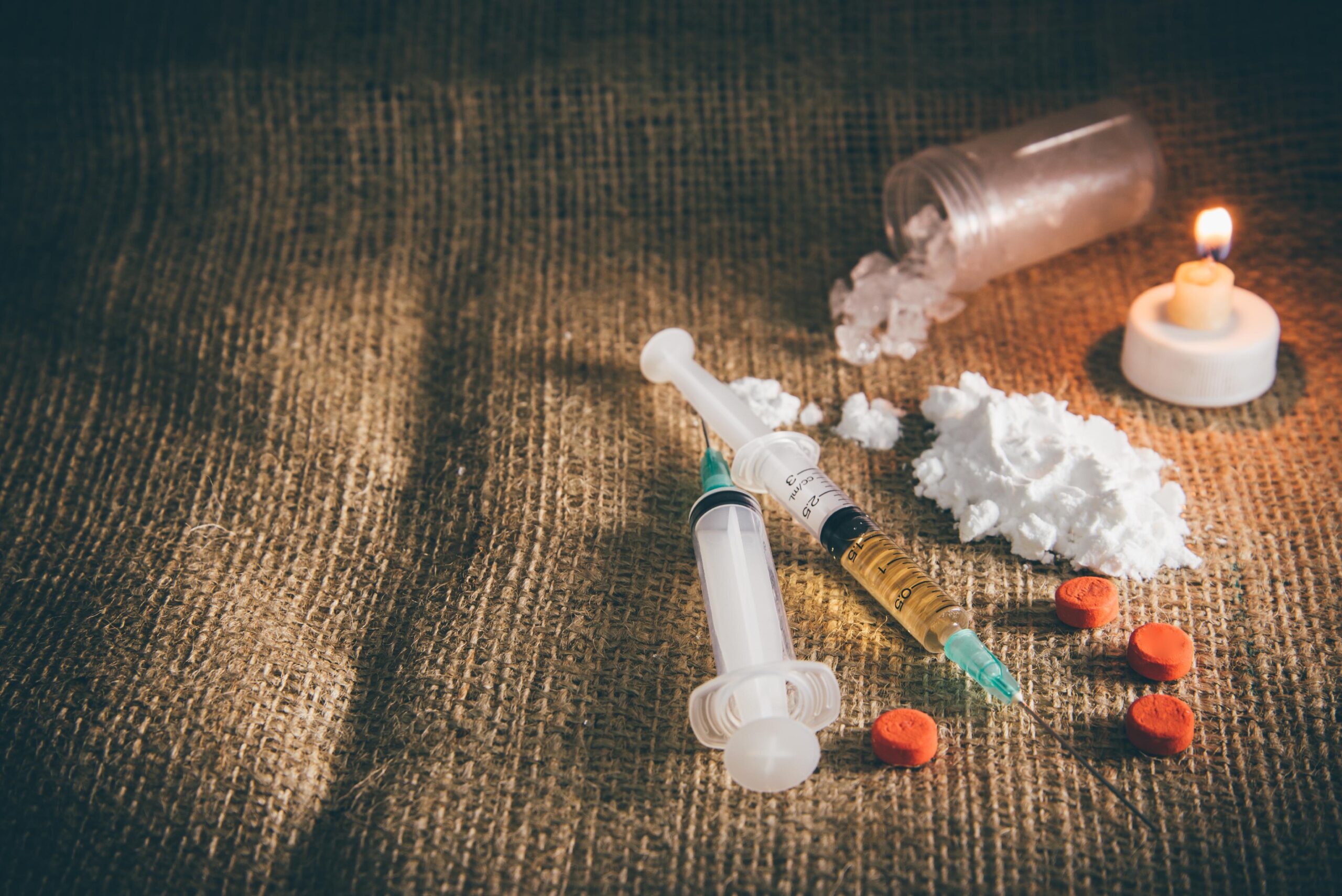
What Is Heroin?
Heroin is an illicit drug derived from morphine, which is naturally produced from the seed pods of the opium poppy plant. It is classified as a Schedule I controlled substance, meaning that it has no accepted medical use and a high potential for abuse.[1]
Heroin sold in New Jersey and throughout the country is frequently mixed with illicitly manufactured fentanyl, an opioid many times more potent than heroin itself.[2] For this reason, it has become increasingly difficult for heroin users to know the true potency of what they are using, greatly increasing the incidence of overdose. According to the CDC, synthetic opioids, including fentanyl, are involved in the overwhelming majority of overdose deaths caused by heroin in the United States.[3]
What Does Heroin Look Like?
Heroin can be found as a white or brown powder, or as a sticky black tar substance (commonly referred to as black tar heroin), and can be injected, snorted, or smoked, with injection providing the quickest and most intense euphoric effect.
Why Is Heroin So Addictive?
Heroin quickly and powerfully binds to both the brain and body’s opioid receptors when it is used, creating a flood of dopamine to the brain’s pleasure and reward areas.[4] This produces an intense rush of euphoria, and it’s this powerful reward signal that is the root cause of heroin’s addictive potential. The brain immediately registers the pleasurable experience and begins creating associations that drive the compulsive drug-seeking behavior that those addicted to heroin are known for.[5]
With repeated use, the body begins to decrease its production of naturally occurring dopamine, ultimately developing dependence on heroin to achieve a baseline level of function. Rapid tolerance develops, requiring progressively larger and more frequent doses in order to prevent withdrawal. The cycle of using heroin to avoid withdrawal as opposed to using it for pleasure usually follows and is one of the most difficult challenges to overcome, and often the reason people are unable to stop using without professional intervention.[6]
Signs of Heroin Use
There are a number of signs of heroin use that vary from subtle during early stages to unmistakable once an addiction has developed. People who are using heroin may display many of the following warning signs:
- Extreme drowsiness or falling asleep while talking
- Constricted (pinpoint) pupils, regardless of the lighting
- Slurred speech or impaired coordination
- Evidence of injecting drugs: track marks, bruising, collapsed veins from repeated use
- Burnt spoons, syringes, or small folded papers found in personal space
- Noticeably dramatic decline in weight or changes in appearance
- Wearing long-sleeved clothing during warm weather to cover evidence of injections
- Isolating themselves from family, friends, and responsibilities
- Significant changes in mood; cycling between calm and frantic
- Unexplained financial difficulties or disappearing valuables
- Continued use despite knowing the risk of overdose
Effects and Long-Term Consequences of Heroin Use
Heroin use has short-term effects such as an initial euphoric rush, sedation, dry mouth, and slowed breathing. However, if someone takes a higher dose or takes heroin laced with fentanyl, they could also experience respiratory depression, which could be fatal.
The following are some of the long-term effects of heroin use:[7]
- Neurological System: Deterioration of the brain’s white matter, affecting decision making, behavior regulation, and stress response.
- Cardiovascular System: Increased risk of heart lining infection, known as endocarditis, especially for intravenous users.
- Infectious Disease: Use of shared equipment and needles increases the risk for HIV, Hepatitis B, and Hepatitis C.
- Respiratory System: Chronic pneumonia and other pulmonary complications.
- Liver and Kidney: Organs progressively become damaged over time due to long-term heroin use.
- Mental Health: Worsening of depression and anxiety, as well as trauma-related disorders for some, due to the consequences of addiction.
What To Expect From Heroin Addiction Treatment
The health complications associated with long-term use of heroin make it critically important for early intervention and access to comprehensive heroin rehabilitation.
Medication-Assisted Treatment (MAT)
There is a wealth of research backing the effectiveness of MAT for treating opioid dependence. It has been endorsed by SAMSHA, NIDA, and the medical community as the gold standard for treating heroin addiction.[8]
Three examples of FDA-approved medications used in the treatment of heroin use disorder include:
- Buprenorphine (Suboxone): Reduces cravings and withdrawal symptoms, stabilizes brain chemistry, and dramatically reduces overdose risk. One of the most commonly used and effective medications in heroin addiction treatment.
- Methadone: A long-acting opioid agonist, particularly effective for those with severe or long-standing heroin dependence.
- Naltrexone (Vivitrol): Blocks the euphoric effects of heroin entirely. Best suited for people who have completed detox and are fully opioid-free before beginning treatment.
Alongside MAT, behavioral therapy addresses the psychological patterns, trauma, and underlying mental health conditions that sustain heroin use.
Heroin and Co-Occurring Disorder Treatment
At Meridian Recovery, our heroin rehabilitation program helps people suffering from heroin addiction as well as any co-occurring mental health disorders they may have. Many people with heroin use disorder also struggle with depression, anxiety, post-traumatic stress disorder (PTSD), and other co-occurring mental disorders. Effective treatment requires addressing both the physical dependence and the psychological, emotional, and social aspects of addiction.
Untreated mental disorders or co-occurring disorders are among the root causes for heroin usage and eventual addiction, as many start their use as a way to self-manage these conditions.[9]
Our dual diagnosis approach provides integrated treatment for both the heroin addiction itself and the underlying mental health conditions that may have contributed to it.